
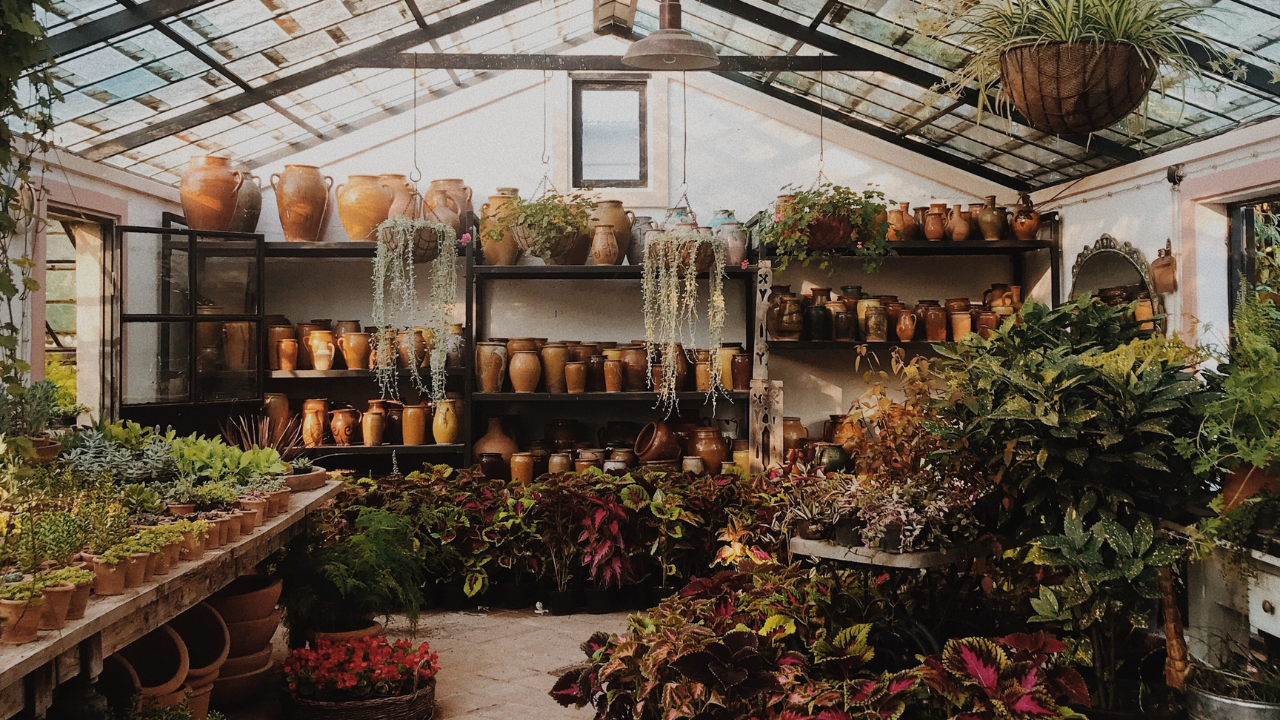
There’s a quiet revolution happening inside Indian homes. Balconies are turning into jungles. Bedroom corners are filled with lush, trailing vines. Kitchen windowsills are hosting cheerful succulents. From compact Mumbai apartments to sprawling Hyderabad villas, more and more Indians are discovering something the rest of the world already knows – indoor plants don’t just decorate a space, they transform it.
But here’s the truth nobody tells first-time plant parents: not every plant belongs in every home. India’s climate – with its blazing summers, humid monsoons, bone-dry winters, and wildly varying light conditions – demands plants that are actually built for it. The wrong choice leads to yellow leaves, root rot, and the guilt of watching something green slowly give up on life.
This guide cuts through the noise. It covers the best indoor plants for Indian homes, how to care for them realistically, and what to pair them with – so that every reader can build a thriving indoor garden without the guesswork.
Why Indians Are Turning to Indoor Plants (And Why Now)
The numbers are hard to ignore. <a href=”https://www.imarcgroup.com/india-indoor-plants-market” target=”_blank”>India’s indoor plant market was valued at USD 612 million in 2024 and is projected to reach USD 1,226 million by 2033</a>, growing at a CAGR of 7.4%. That’s not a fad. That’s a lifestyle shift.
Several forces are driving this:
Air Quality Concerns – India’s cities consistently rank among the most polluted in the world. Studies have shown that certain indoor plants can reduce levels of volatile organic compounds (VOCs), formaldehyde, benzene, and other toxins that accumulate inside homes from paint, furniture, and cleaning products. When stepping outside feels like a health hazard, bringing greenery inside becomes less of a choice and more of a necessity.
Mental Health Awareness – The pandemic years fundamentally changed how Indians think about their living spaces. Homes became offices, schools, and recreational zones all at once. Research consistently links the presence of plants to reduced cortisol levels, lower anxiety, and improved focus. Simply put, greenery makes people feel better – and that’s now widely understood.
The Aesthetics Shift – A generation raised on Instagram and Pinterest no longer accepts bare, sterile walls. Biophilic design – the practice of weaving natural elements into interiors – has entered mainstream Indian homes. A Monstera leaf or a hanging Pothos isn’t just a plant anymore; it’s a design statement.
Compact Urban Living – With 31% of India’s population now urban and that figure rising steadily, outdoor garden space is a luxury most can’t afford. Indoor plants bring nature inside without requiring a single square foot of outdoor land.
How to Choose the Right Indoor Plant for an Indian Home
Before diving into the plant list, there are a few variables unique to Indian homes that determine which plants will actually survive and thrive.
Light Conditions in Indian Homes
Indian homes, depending on their orientation, can receive intense direct sunlight (south and west-facing windows) or very little natural light (north-facing apartments, deep interiors). Most tropical houseplants prefer bright, indirect light – and fortunately, India’s natural light levels are generous enough that even “low light” plants do reasonably well near windows.
South-facing windows in Indian homes can be brutal in summer afternoons. Sheer curtains or a bit of distance from the glass can protect light-sensitive plants.
India’s Humidity and Temperature
Most popular indoor plants are tropical in origin – and that’s actually great news for Indian conditions. Monsoons, coastal humidity, and warm temperatures year-round suit plants like Pothos, Philodendrons, Snake Plants, and Peace Lilies beautifully. Air conditioning, however, dries out air significantly, so homes with constant AC need to mist plants or use pebble trays.
Watering Frequency – The Most Misunderstood Variable
More indoor plants die from overwatering than from neglect. Indian summers can dry soil quickly, but Indian monsoon seasons can keep soil wet for days. Learning to check soil moisture before watering – rather than following a fixed schedule – is the single most impactful habit any plant parent can build.
A simple rule: if the top inch of soil feels dry, it’s time to water. If it’s still damp, wait.
The Best Indoor Plants for Indian Homes
1. Snake Plant (Sansevieria trifasciata) – The Indestructible Guardian
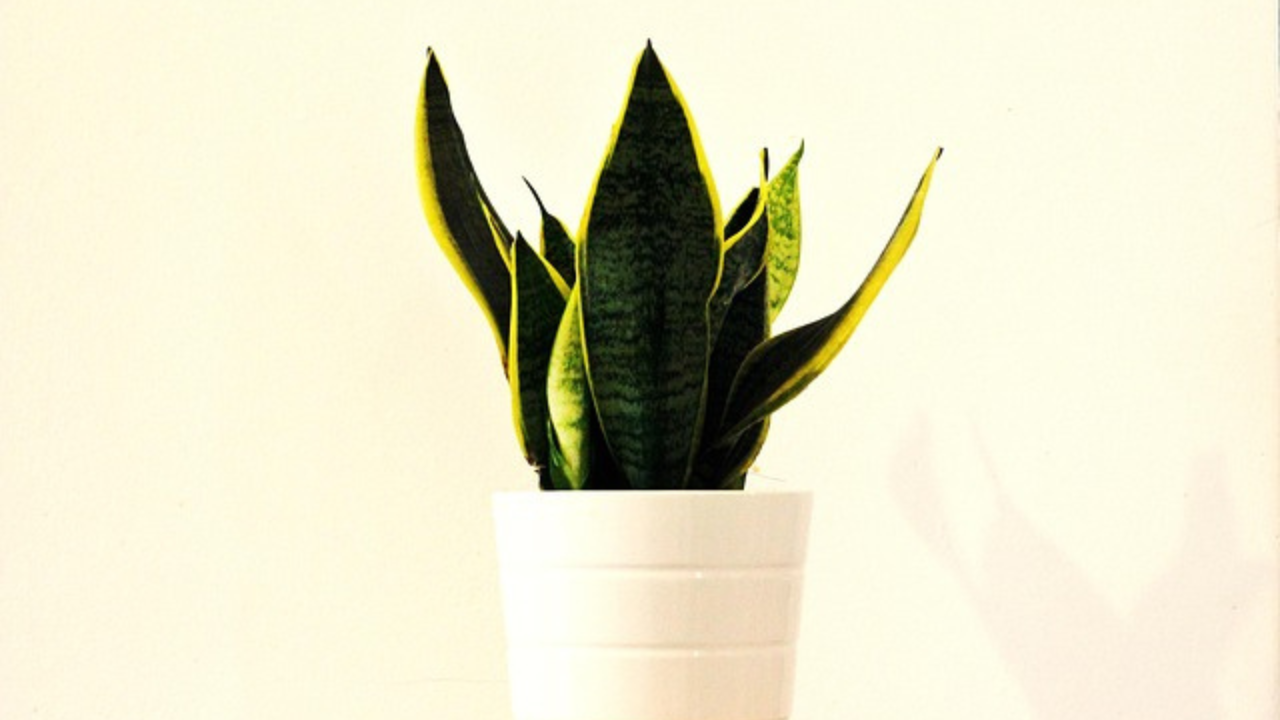
If there’s one plant that belongs in every Indian home, this is it. The Snake Plant – also called Mother-in-Law’s Tongue – is essentially cheat-coded for beginners. It tolerates low light, survives missed watering sessions for weeks, and actively purifies indoor air by absorbing carbon dioxide and releasing oxygen even at night (making it ideal for bedrooms).
Why it suits India: It thrives in hot, dry conditions and doesn’t fuss over soil quality.
Care: Water once every 10-14 days in summer, once a month in winter. Place anywhere from bright indirect light to a dim corner.
Pot pairing: Upright cylindrical pots or terracotta pots allow its dramatic vertical form to shine.
Ideal for: Bedrooms, living rooms, offices, and entryways.
2. Money Plant (Epipremnum aureum / Pothos) – The Evergreen Classic
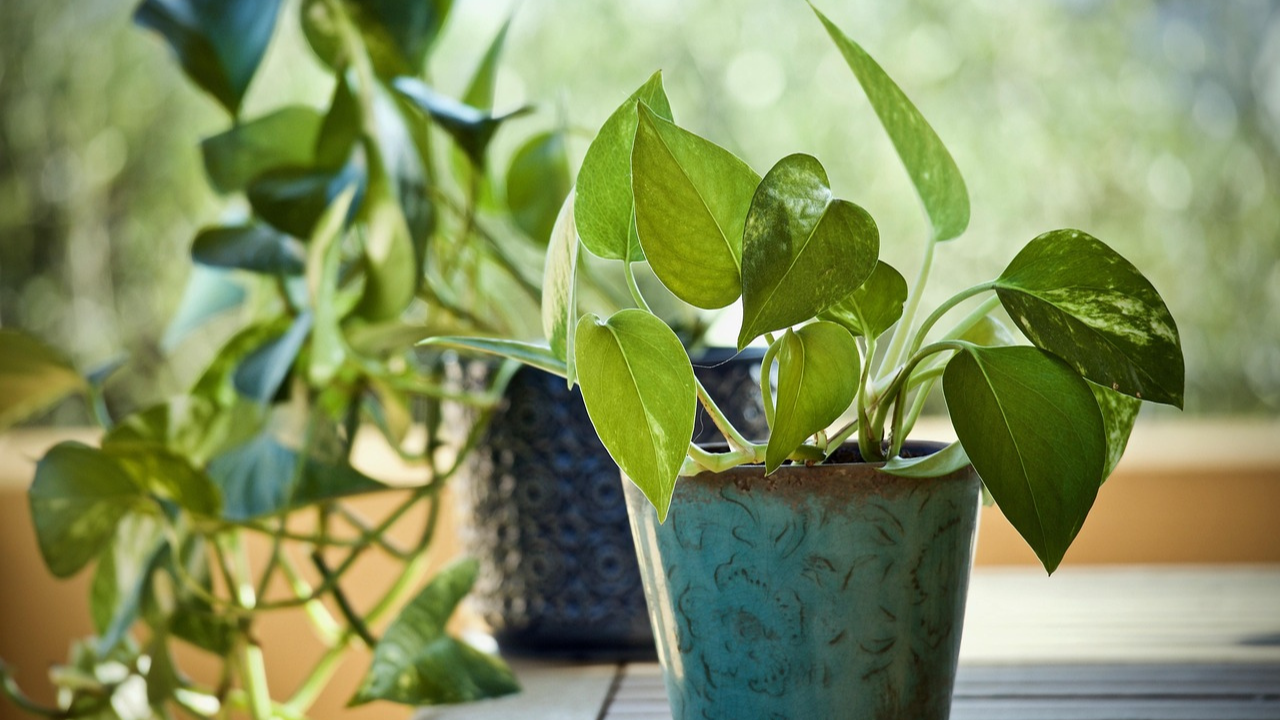
No plant is more deeply woven into the Indian home’s DNA than the Money Plant. Known scientifically as Epipremnum aureum or Scindapsus aureus, this trailing vine is the most widely grown indoor plant in Indian households – and for good reason.
Why it suits India: Extraordinary resilience. It grows in soil, in water bottles, in coconut husk, in nearly anything. It tolerates irregular watering, low light, and the occasional neglect that comes with busy Indian family life.
Care: Water when the top soil feels dry. It can also be grown purely in water – change the water every 7-10 days to prevent algae.
Varieties to explore: Golden Pothos, Marble Queen, Neon Pothos, Silver Satin – each has a distinct look.
Ideal for: Hanging baskets, shelf edges, bathroom corners, and kitchen windowsills.
3. Peace Lily (Spathiphyllum wallisii) – Elegance with a Purpose
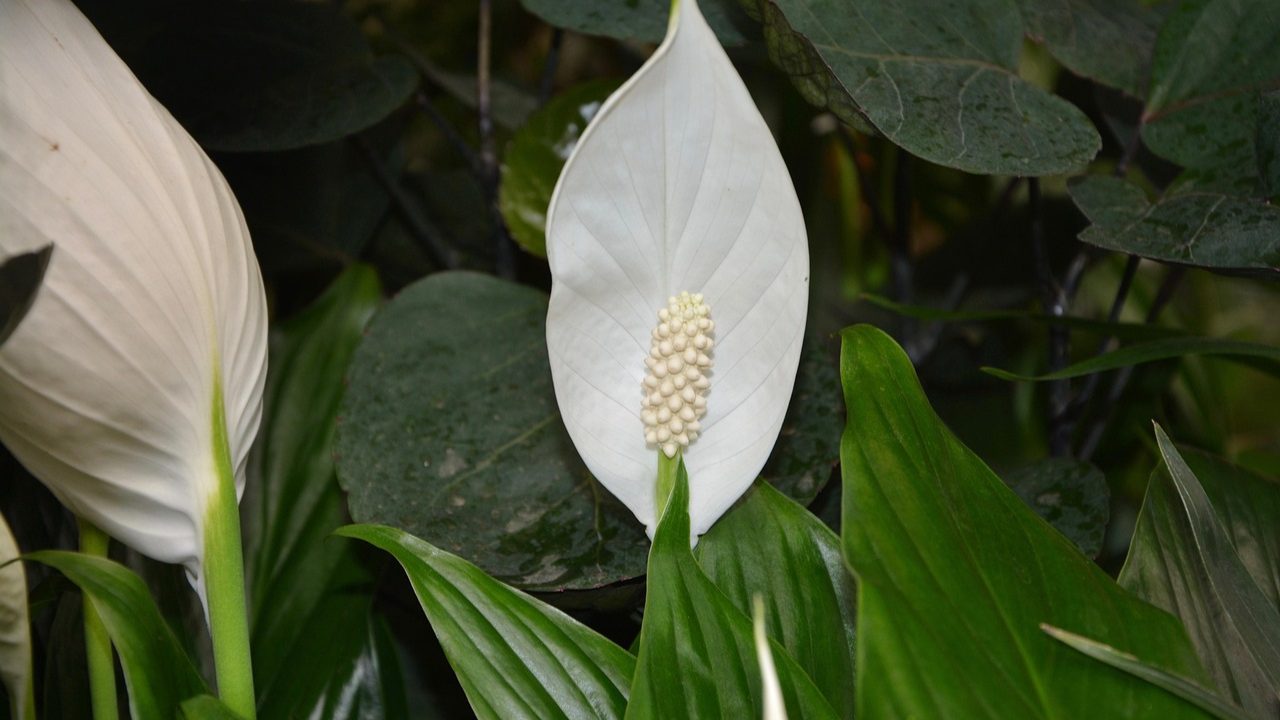
The Peace Lily is one of the few indoor plants that flowers indoors with minimal effort, producing elegant white blooms that can last for weeks. NASA’s famous Clean Air Study identified it as one of the top air-purifying plants, capable of removing benzene, formaldehyde, and ammonia from indoor air.
Why it suits India: It thrives in the warm, humid conditions common in coastal Indian cities like Mumbai, Chennai, and Kochi.
Care: Prefers consistently moist soil (but not waterlogged). Drooping leaves are a clear signal it needs water – and it bounces back quickly after watering. Keep it away from harsh afternoon sun.
Watch out for: Toxicity to pets and small children if ingested. Place accordingly.
Ideal for: Living rooms, bedrooms, and bathroom shelves.
4. Areca Palm (Dypsis lutescens) – The Indoor Tree
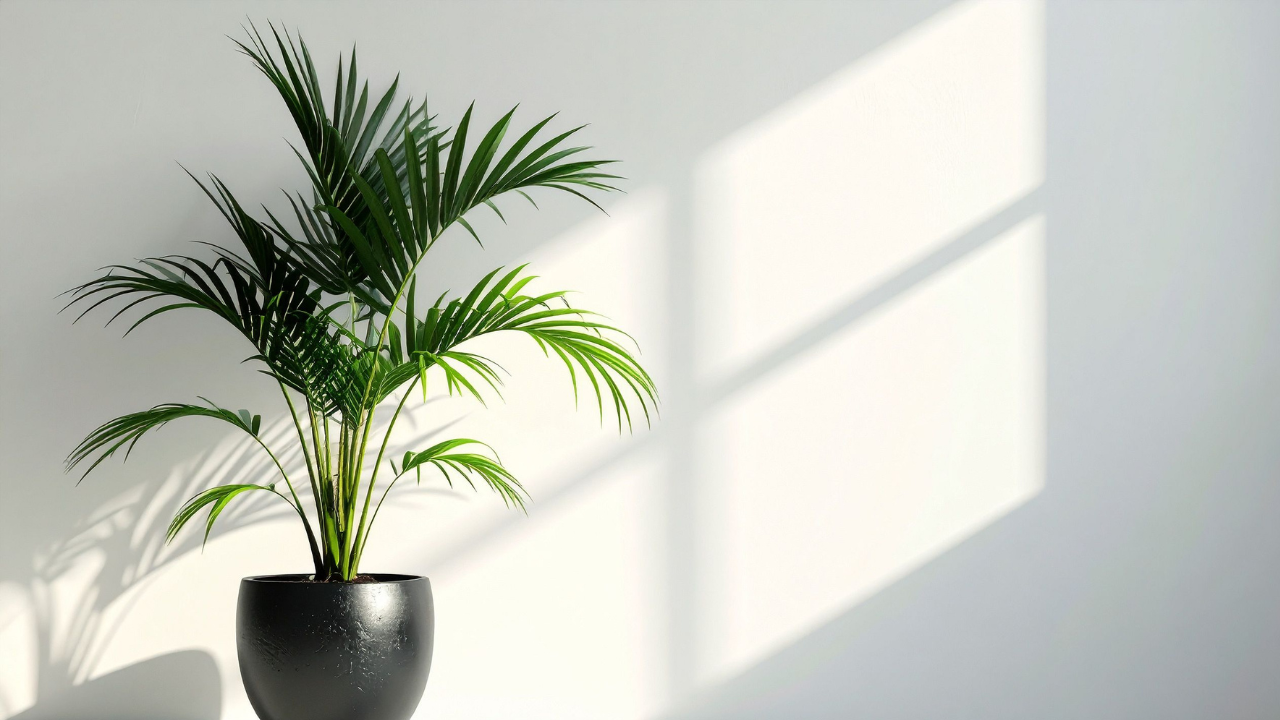
For those who want drama, the Areca Palm delivers. With its feathery, arching fronds and graceful tropical form, it can reach 5-7 feet indoors, making it one of the best statement plants for large Indian living rooms or dining areas.
It also doubles as a natural humidifier – transpiring significant moisture into the air, which can be welcome in air-conditioned spaces.
Why it suits India: Native to Madagascar, it thrives in warm temperatures and indirect bright light – both abundantly available in most Indian homes.
Care: Water regularly but allow the top inch of soil to dry between waterings. Feed with a balanced fertiliser (or vermicompost) once a month in the growing season.
Tip: Avoid overwatering – root rot is the main risk.
Ideal for: Living rooms, bedroom corners, entryways, and office lobbies.
5. Philodendron (Heartleaf Philodendron) – The Tropical Showstopper
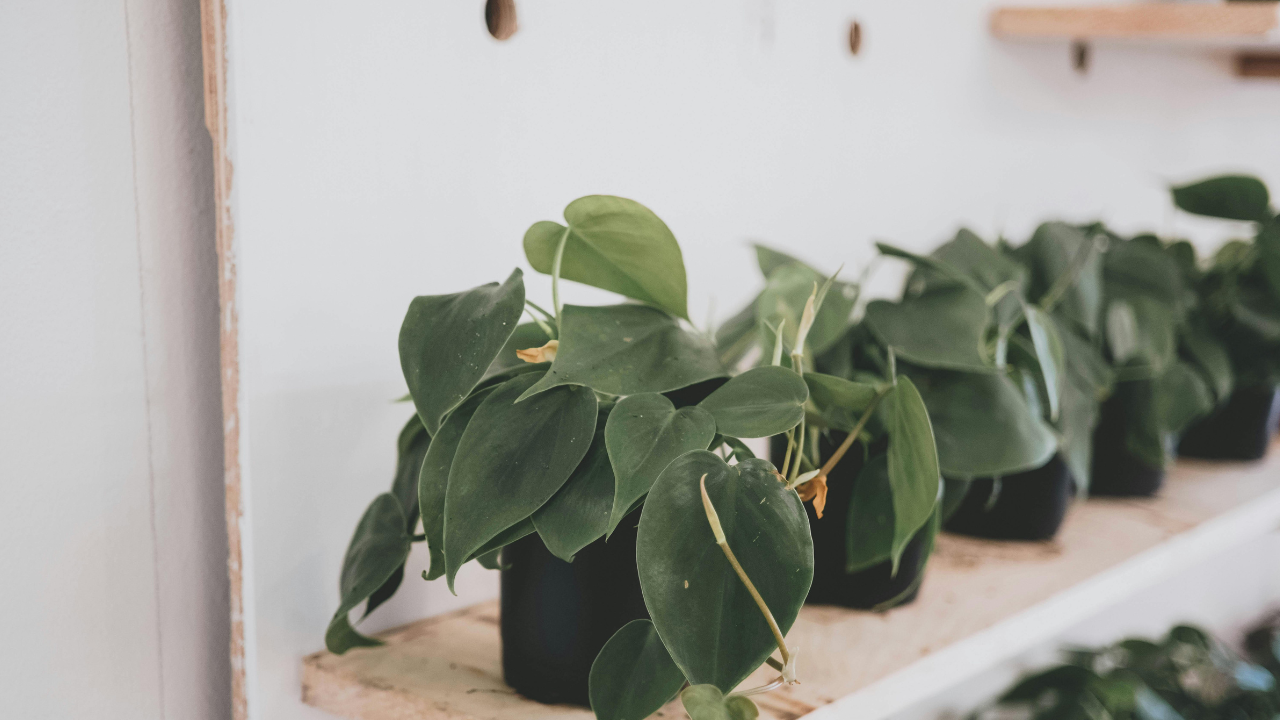
Philodendrons are one of the fastest-growing segments of the indoor plant world, and for good reason – they combine lush tropical foliage with genuinely low maintenance. The Heartleaf Philodendron (Philodendron hederaceum) is a trailing variety with glossy, heart-shaped leaves that grows at a satisfying pace.
Why it suits India: Loves humidity and warmth. Monsoon season is when Philodendrons are at their happiest in Indian homes.
Care: Bright to medium indirect light. Water when the top inch of soil is dry. Occasional misting during dry winters adds a boost.
Propagation: Extremely easy to propagate in water – snip a stem with a node, place in water, and roots appear within 1-2 weeks.
Ideal for: Shelves, bathroom counters, bedroom tables, and hanging planters.
6. ZZ Plant (Zamioculcas zamiifolia) – The Low-Light Powerhouse
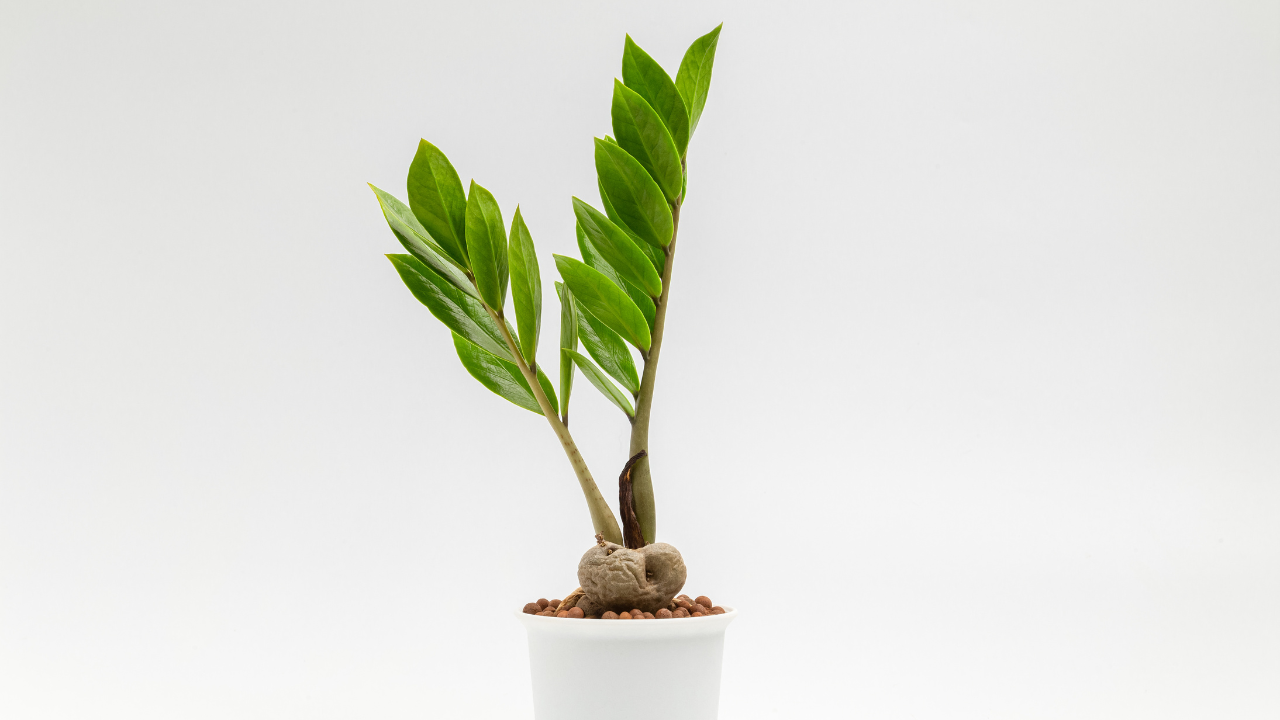
The ZZ Plant is the ultimate solution for Indian apartments that suffer from insufficient natural light – north-facing flats, deep interiors, and rooms with small windows. Its dark, glossy leaves store water in their thick rhizomes, making it extraordinarily drought-tolerant.
Why it suits India: It handles low light, irregular watering, and warm indoor temperatures with remarkable composure. It’s practically made for busy urban Indians.
Care: Water once every 2-3 weeks in summer, even less in winter. Avoid direct sun – it can scorch the leaves.
Variety to try: ZZ Raven – a dark, near-black cultivar that adds a dramatic, modern edge to any space.
Ideal for: Office desks, dark room corners, and homes where natural light is scarce.
7. Calathea – The Living Work of Art
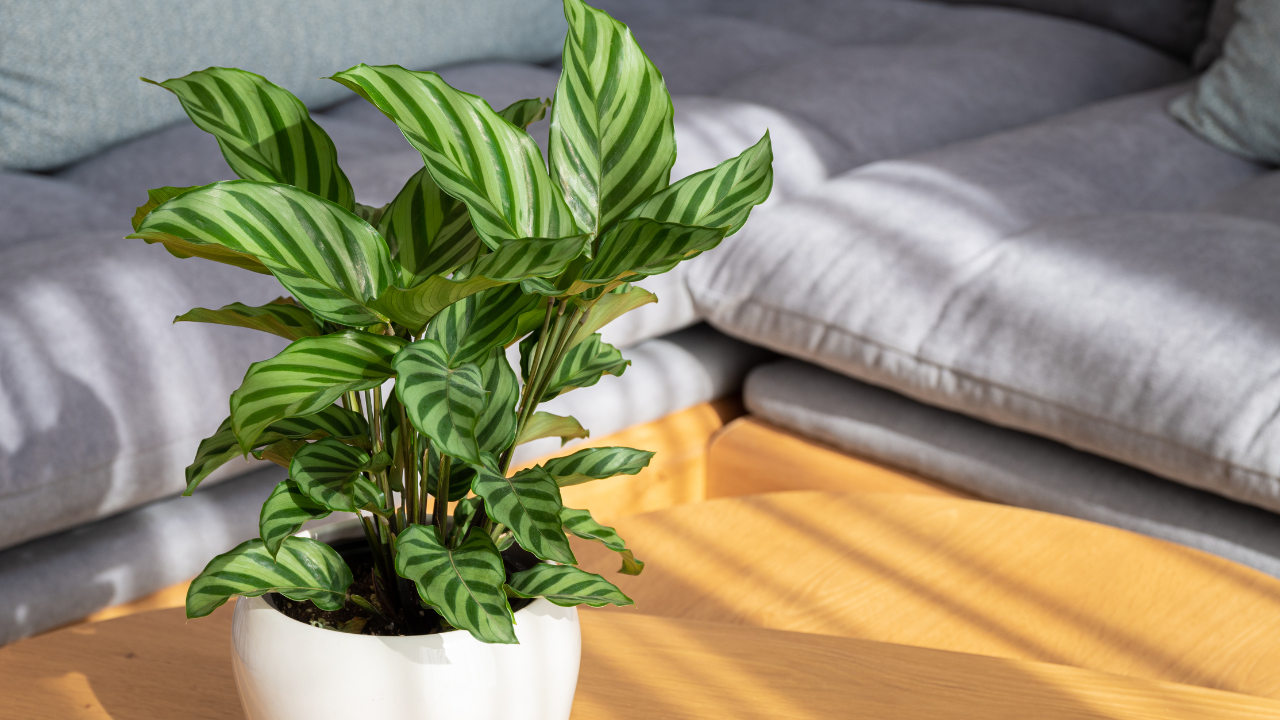
Calatheas are the divas of the indoor plant world – demanding, dramatic, and absolutely stunning. Their leaves come in extraordinary patterns: striped, spotted, painted, feathered. The Calathea Orbifolia, with its wide, round silver-green leaves, is particularly breathtaking.
Beyond looks, Calatheas are known as “prayer plants” because their leaves fold upward in the evening and open again in the morning – a mesmerising natural movement that never stops surprising.
Why they suit India: They love humidity, making them well-suited to coastal and semi-humid Indian cities. Monsoon season is paradise for a Calathea.
Care: Keep soil consistently moist (not soggy). Use filtered or rainwater if possible – Calatheas are sensitive to fluoride and chlorine in tap water. Avoid direct sunlight.
Challenge level: Moderate – but the payoff in visual beauty is unmatched.
Ideal for: Well-lit living rooms, humid bathrooms, and creative studio spaces.
8. Pothos Marble Queen – The Aesthetic Overachiever
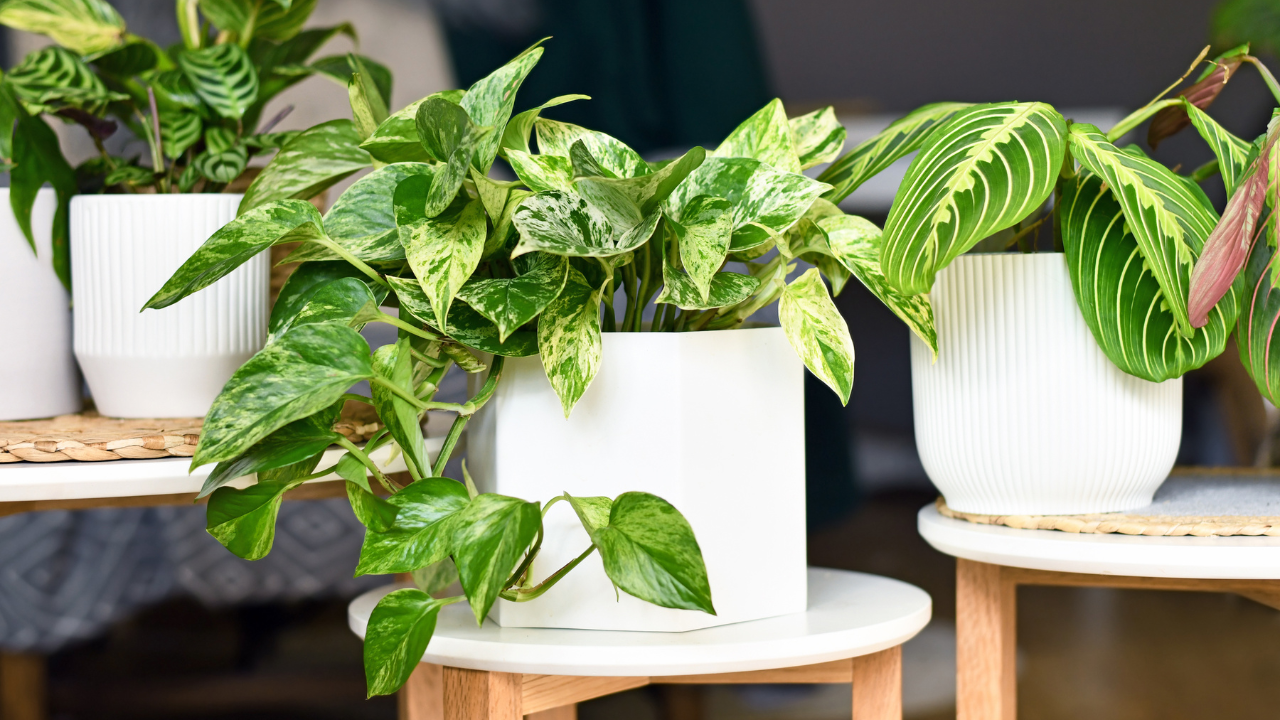
If Golden Pothos is the everyday classic, Marble Queen is the upgraded edition. Its white-and-green variegated leaves are visually arresting, and it carries all the resilience of the standard Pothos with considerably more elegance.
Why it suits India: Same hardy nature as regular Pothos – handles Indian heat, humidity, and occasional neglect.
Care: Bright indirect light (brings out the variegation beautifully), water when soil is dry to touch.
Tip: More light = more white variegation. Keep in a brighter spot than regular Pothos.
Ideal for: Hanging planters, bedside tables, bookshelves, and home offices.
9. Fiddle Leaf Fig (Ficus lyrata) – The Instagram Favourite
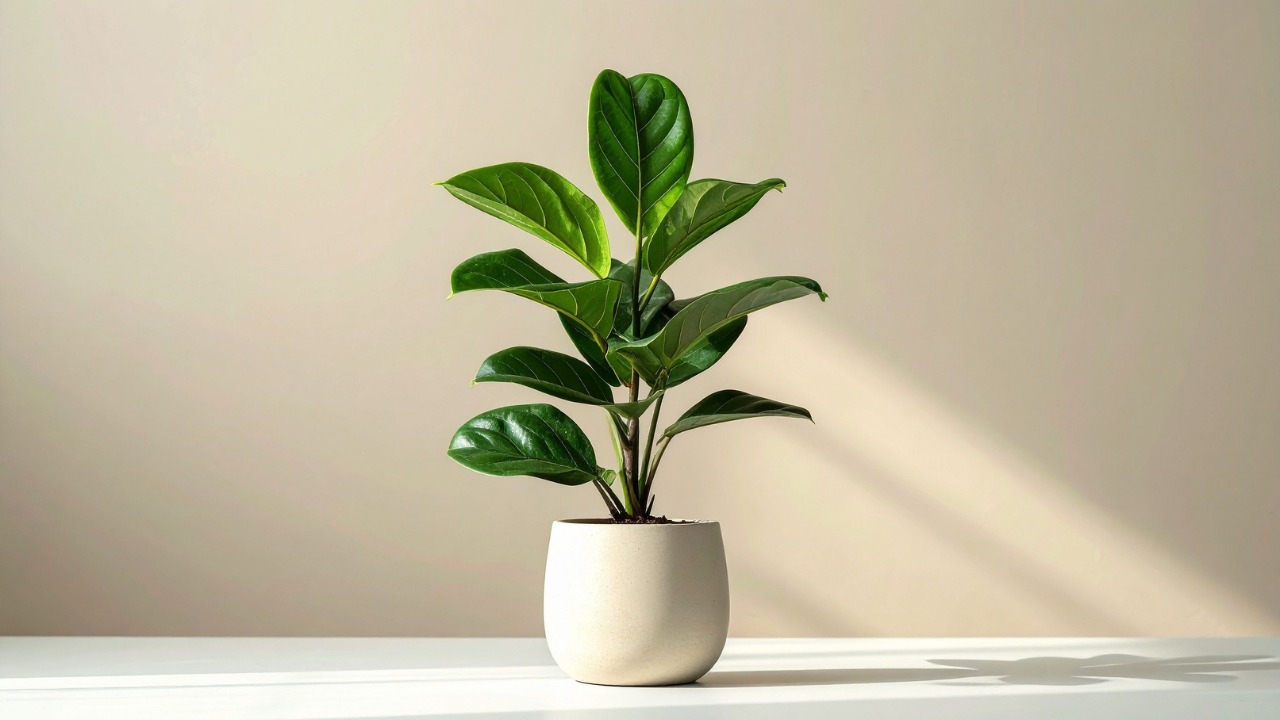
The Fiddle Leaf Fig has dominated interior design mood boards for years – and while it has a reputation for being finicky, Indian homes that can provide bright, consistent indirect light are actually well-suited to it.
Why it suits India: Warm temperatures suit it well. The challenge is stable conditions – Fiddle Leaf Figs dislike being moved, cold drafts, or overwatering.
Care: Bright indirect light (near a window but not in direct sun). Water when the top 2 inches of soil are dry. Use well-draining potting mix – adding vermicompost improves growth significantly.
Tip: Don’t rotate it constantly; Fiddle Leaf Figs prefer facing a consistent direction toward light.
Ideal for: Statement corners in living rooms and bedrooms.
10. Succulents and Cacti – Tiny Powerhouses for Every Space
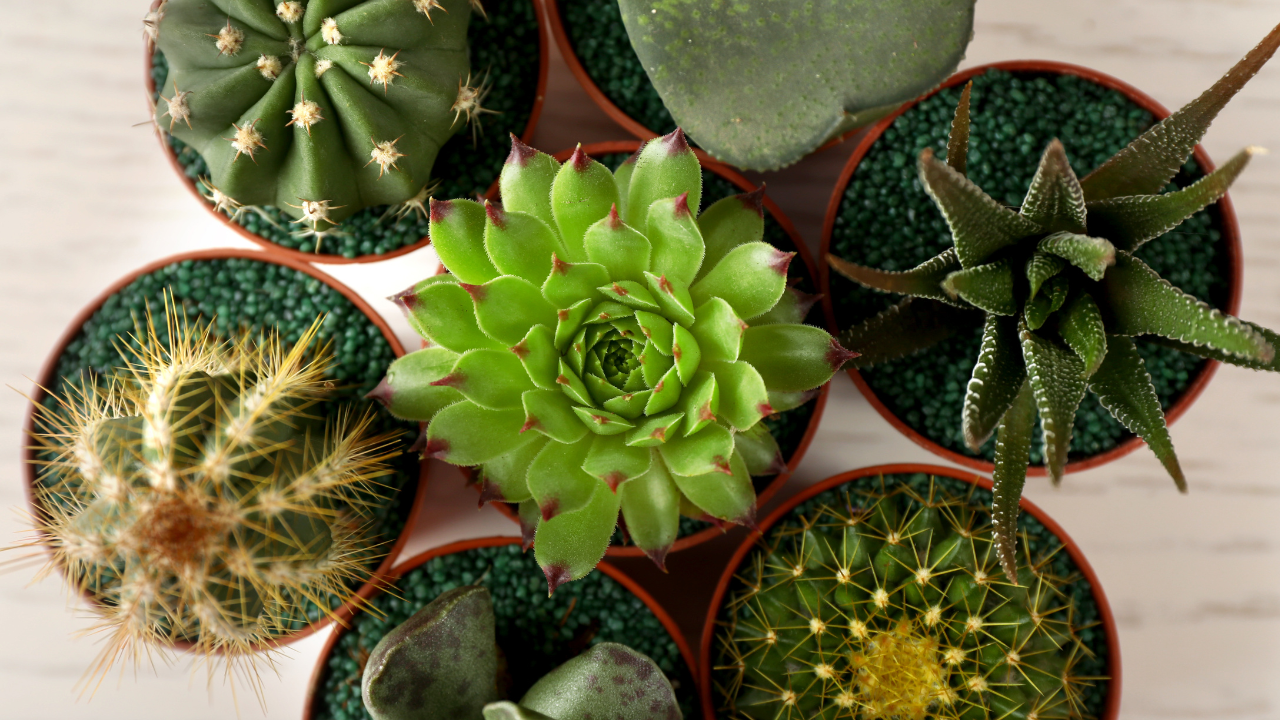
For those who travel frequently, have minimal time for care, or simply want something sculptural on a desk or windowsill – succulents are the answer. Echeveria, Haworthia, Aloe Vera, and jade plants are all excellent choices for Indian conditions.
Why they suit India: Succulents evolved in arid conditions and handle India’s hot, dry summers with ease. Even the occasional scorching afternoon sun doesn’t faze them the way it does tropical plants.
Care: Water sparingly – once every 10-14 days in summer, even less in winter. Ensure excellent drainage. Never let them sit in waterlogged soil.
Warning: Indian monsoons can be brutal on succulents – bring them indoors or under shelter during heavy rains.
Ideal for: Windowsills, office desks, kitchen counters, and decorative bowls.
The Role of Soil and Pots – The Underestimated Half of Plant Care
A common mistake among Indian plant parents is investing heavily in plants but neglecting the growing medium. Even the most resilient plant will struggle in compacted, nutrient-depleted, or poorly draining soil.
Vermicompost is one of the most underutilised tools in Indian home gardening. Rich in microorganisms, plant-available nitrogen, and growth hormones, it dramatically improves the health and vitality of indoor plants – without the risk of burning roots the way synthetic fertilisers can. Mixing vermicompost into potting soil at a ratio of roughly 20-30% creates a growing medium that feeds plants slowly and consistently over months.
Pots and drainage matter more than most people realise. A plant in a pot without drainage holes is a plant sitting in slow-moving danger. Water accumulates at the bottom, roots rot, and the plant declines. Nursery pots – simple plastic containers with drainage holes – are genuinely among the best options for growing healthy plants. Decorative ceramic or terracotta pots can be used as outer covers (cachepots) while the plant lives in its functional nursery pot inside.
Common Indoor Plant Problems in Indian Homes – And How to Solve Them
Yellow leaves: Most often overwatering. Reduce watering frequency and ensure pots have drainage.
Brown, crispy leaf tips: Low humidity or too much direct sun. Mist the plant, move it away from harsh afternoon light, or use a pebble tray with water beneath the pot.
Leggy, stretched growth: Not enough light. Move closer to a bright window.
Gnats or flies in the soil: Fungus gnats thrive in constantly moist, organic-rich soil. Allow the top layer of soil to dry completely between waterings to break their breeding cycle.
Pale leaves and slow growth: The plant is likely hungry. A monthly dose of diluted liquid fertiliser or a top-dressing of vermicompost can revive it.
Starting Your Indoor Garden: A Practical Path Forward
The best indoor garden is the one that actually gets started. For those unsure where to begin, here’s a practical progression:
Level 1 – Absolute Beginners: Start with a Snake Plant and a Pothos. They’re virtually unkillable, grow fast enough to feel rewarding, and look great in any space.
Level 2 – Gaining Confidence: Add a Peace Lily for its elegant blooms, a ZZ Plant for a dark corner, and a Philodendron for some trailing drama.
Level 3 – The Enthusiast: Explore Calatheas for their living-art leaves, an Areca Palm for a statement corner, and a small collection of succulents for the windowsill.
Pair each plant with the right pot (drainage holes are non-negotiable), quality potting mix enhanced with vermicompost, and consistent but not excessive care – and the indoor garden practically tends itself.
Final Thoughts
Indoor plants are one of the most accessible, impactful, and deeply satisfying upgrades anyone can make to a home. They improve air quality, elevate mental health, transform aesthetics, and connect people to something living and growing in the middle of urban chaos.
India’s climate – despite what many first-time plant parents fear – is actually one of the most plant-friendly in the world. Warmth, humidity, and strong natural light are assets, not obstacles. The right plant, in the right pot, with the right growing medium, will not just survive – it will thrive.
Leave a comment